Currently accepting same-day emergency patients across Louisville, KY. Average callback time is under 12 minutes.
Dental Abscess Treatment in Louisville, KY | Same-Day Emergency Care
Same-Day Abscess Relief for Louisville Patients
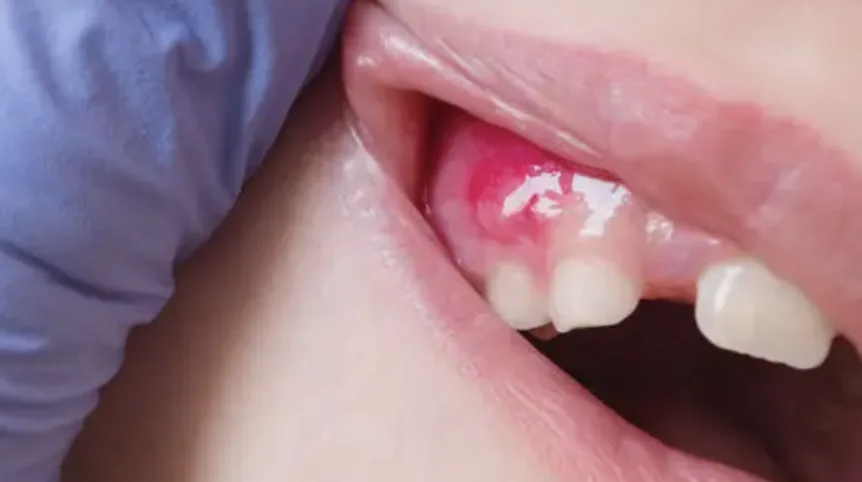
Emergency Dentists Louisville offers dental abscess treatment for the entire Louisville area. An abscess is a pocket of pus caused by a bacterial infection, and common symptoms include throbbing tooth pain, gum or facial swelling, tenderness, fever, or a bad taste in the mouth: throbbing pain that beats with your pulse, swelling, and a night of no sleep.
Here's the single most important thing to know: an abscess never heals on its own. Not with time, not with painkillers, not even if it bursts and the pain suddenly fades. It needs dental treatment to control the infection and remove its source. Depending on the type of abscess, treatment may involve drainage, root canal treatment, periodontal care, or extraction, and the sooner that happens, the more options you have.
Tell us what's going on. We'll call you back fast.
We'll respond same-day. If you need to be seen right now, call us directly at 502-709-6108.
Our Emergency Dental Abscess Drainage and Treatment Services
Our dental abscess treatment in Louisville, KY drains the trapped infection for immediate pressure relief, then treats the underlying tooth with root canal therapy or extraction so the abscess so the source of infection is treated instead of providing only temporary pressure relief. We are the practice Louisville patients call when their face has swollen overnight, because facial swelling is the one dental symptom that genuinely cannot wait until Monday.
Signs You Have a Dental Abscess
Severe, throbbing pain that may radiate to your jaw, ear, or neck
Swelling in the gum, cheek, or face, sometimes with a pimple-like bump on the gum
Sharp sensitivity to hot, cold, or biting pressure
A sudden foul taste or smell, especially if the abscess ruptures
Fever, fatigue, or swollen lymph nodes under the jaw
A tooth that feels raised, loose, or tender when you tap it
Two common types are periapical abscesses and periodontal abscesses. A periapical abscess forms at the tip of a tooth's root when decay or a crack lets bacteria reach the nerve inside. A periodontal abscess forms in the gum pocket alongside a tooth, usually from gum disease or trapped food. Both hurt, and both need treatment, but the fix is different, which is why an exam and X-ray come first.
Can a Dental Abscess Go Away on Its Own?
No, and this is the objection worth addressing head-on, because it costs people teeth every week. An abscess is a walled-off pocket of active infection. Your body builds that wall to slow the bacteria down, but it cannot eliminate infection sealed inside a tooth or a gum pocket, so the abscess may persist, drain intermittently, or spread into surrounding tissues. Untreated abscesses destroy the bone that anchors the tooth and can persist for months while doing quiet damage.
The most dangerous moment is actually when the pain stops. If an abscess ruptures, the pressure releases, the relief is real, and it feels like the problem solved itself. It didn't. The infection is still active and now has a drainage path. And painkillers or leftover antibiotics can't fix it either: antibiotics may slow the spread, but they cannot cure an abscess without the drainage and dental treatment that removes the source. the underlying source of infection remains, and each round of delay narrows your options from a simple root canal toward extraction.
How We Treat a Dental Abscess
Treatment always follows the same logic: relieve the pressure, remove the infection at its source, and protect the tooth. After an exam and digital X-rays to locate the abscess and gauge how far it has spread, your visit typically includes:
Drainage
A small opening lets the pus drain, which relieves the pressure and most of the pain almost immediately. The area is then cleaned thoroughly.
Root Canal Therapy
For infection inside the tooth, we remove the infected pulp, disinfect the canals, and seal them. This cures the infection while saving your natural tooth.
Extraction
If the tooth is damaged beyond saving, removing it eliminates the infection source. We'll then walk you through replacement options so the gap doesn't create new problems.
Antibiotics are sometimes added when infection has begun to spread or your immune system needs support, but they're a supporting player, never the whole treatment. If a root canal is the right path, our root canal therapy page explains exactly what to expect. Either way, you leave with the infection handled, not just muted.
When an Abscess Becomes a Medical Emergency
Most abscesses belong in a dental chair the same day. A few belong in a hospital first. Go to the ER immediately if you have:
Swelling spreading toward your eye, under your jaw, or down your neck
Difficulty breathing or swallowing
High fever with facial swelling
Confusion, severe headache, or a general feeling of being very unwell
These are signs the infection is moving beyond the tooth. In rare cases it can reach the floor of the mouth or the bloodstream, conditions that are genuinely life-threatening. The ER will control the infection, but doctors can't treat the tooth itself, so call us for the dental treatment that ends the problem. For everything short of those red flags, call 502-709-6108 now and we'll get you in.
Cost, Insurance, and What to Do Right Now
Abscess treatment cost depends on the fix: drainage alone costs the least, root canal therapy plus a crown costs more, and extraction with a replacement tooth varies. Most dental insurance covers abscess treatment as medically necessary care, and we'll verify your benefits and give you a written estimate before treatment. The honest math: an abscess treated this week is nearly always a fraction of the cost of the same abscess treated next month, because delay converts saveable teeth into extractions.
While you're waiting to be seen: rinse with warm salt water, use a cold compress on the outside of your face, take over-the-counter pain relief as directed, and sleep with your head elevated. Never try to pop or drain an abscess yourself, and never press a heat source against it. Both push infection deeper.
Why Choose Emergency Dentists Louisville
Same-day appointments for suspected abscesses, because infection rewards speed.
Drainage, root canal therapy, and extractions under one roof, so treatment starts the day of your diagnosis.
In-house digital X-rays to locate the abscess and see how far infection has traveled.
Save-the-tooth-first philosophy, with extraction only when the tooth truly can't be rescued.
My abscess burst and the pain stopped. Am I in the clear?
No, a ruptured abscess is still an active infection and still needs treatment right away. The rupture drained pressure, not bacteria, and the pocket will refill while the infection keeps spreading.
Will antibiotics alone cure my abscess?
No, antibiotics can slow a spreading infection but cannot cure an abscess by themselves. The source must be treated. Depending on the abscess, that may involve drainage, root canal treatment, periodontal treatment, or extraction and the source treated with a root canal or extraction, or the infection returns.
Does draining an abscess hurt?
No, the area is fully numbed first, and most patients feel dramatic relief within minutes as the pressure releases. The procedure itself is quick.
Can you save an abscessed tooth?
Usually yes, if it's treated promptly. Root canal treatment cures the infection inside the tooth and lets you keep it, and it's the most common outcome for abscesses caught early.
How fast can I be seen for an abscess?
We hold same-day time for infections, so call 502-709-6108 as soon as you suspect an abscess. Swelling, fever, or trouble swallowing moves you to the front of the line or, if severe, to the ER first.
An Abscess Only Moves in One Direction. So Should You.
Call now, get drained and treated today, and turn the worst toothache of your life into a solved problem.